Fara Tablecloth
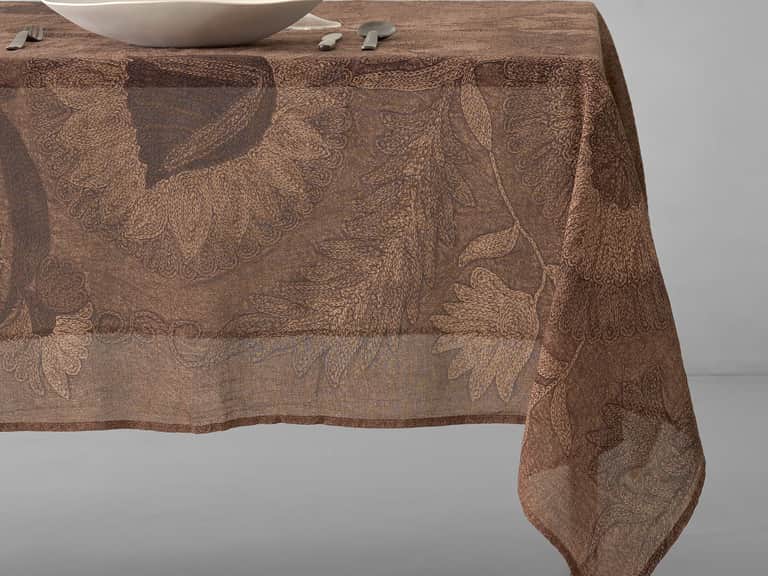
Lightweight and breathable, this 100% abaca gauze tablecloth adds subtle texture with a modern suzani-inspired print, elevating everyday meals or special dinners without crowding the table.
A fresh look at materials, design, and ethical choices that shape fashion and interiors. From rugged burlap to luxurious silk, this exploration unlocks how contrasting textiles inform sustainable aesthetics, cultural memory, and modern living.
Burlapandsilk.com signals more than a name. It promises a dialogue between material cultures—the rough and the refined, the practical and the poetic. In a world increasingly attentive to sustainability, textiles carry stories about provenance, processing, and the ecosystems that touch our tables, garments, and homes. This article sketches a narrative map: how to read and write about materials with care, curiosity, and clear sourcing ethics, while spotlighting voices across time who have made fabrics matter.
Think of burlap as the emblem of utility—sturdy, versatile, and grounded in the earth. Silk, by contrast, is associated with luxury, impulse, and the human desire for beauty. Together, they offer a framework for examining durability, beauty, and responsibility in design. Our aim is not to collapse them into a single texture, but to celebrate how each can inform better choices—whether you are a designer, a student, or someone who simply loves a well-made environment.
This article aligns with a direction that treats textiles as literacy—a reference system that helps readers understand material properties, lifecycle implications, and ethical sourcing. The burlap-silk contrast serves as a mental model for evaluating alternatives: What is the environmental footprint? How does the fabric wear over time? What cultural histories does it carry? And how can designers balance texture, color, and sheen to create spaces and garments that endure?
The following sections weave together three pillars: material literacy, case studies with historical context, and practical guidance for choosing fabrics responsibly. Along the way, we’ll spotlight notable individuals who shaped textile thinking across periods and disciplines.
While Hypatia is chiefly remembered for her philosophy and teaching, her era offers a meditation on the symbolic life of textiles. In ancient and late-antique economies, fabrics denoted status, knowledge, and cultural exchange. Silk, arriving via trade networks, carried messages about global connections; burlap-like textiles—less glamorous but equally essential for storage and transport—helped communities thrive by preserving goods, grains, and tools. Hypatia’s ethos—precision, curiosity, and critical thought—encourages readers to interrogate how fabrics tell stories about power, labor, and knowledge. Her example invites a careful, evidence-based approach to textile history, where material culture becomes a lens for understanding social change.
Isabella Blow’s fashion influence proved that texture can narrate mood, identity, and rebellion. Her fearless pairing of rugged, rustic textures with luminous textiles created silhouettes that felt both tactile and theatrical. In the burlap-and-silk frame, we see a blueprint for modern styling: use roughness to ground a look, and gloss to elevate it. Blow’s approach reminds designers to test contrasts deliberately—how a coarse burlap underpinning can anchor a silk overlay in a way that’s unexpected, stylish, and consciously composed.
Jane Goodall’s enduring message centers on empirical observation and stewardship of ecosystems. When we consider textiles through a sustainability lens, Goodall’s perspective becomes a practical guide: ask questions about sourcing, lifecycle impact, and social equity. In the burlap-silk conversation, ethical sourcing means tracing fibers to their origins, evaluating processing methods, and choosing materials that respect workers and the planet. Her voice anchors our discussion in real-world responsibility that designers, educators, and consumers can adopt.
A sturdy burlap bag may be unsung hero of world markets, yet it teaches us about fiber structure, rapid drying, and rough texture. Burlap (made from jute or other natural fibers) is known for breathability, high tensile strength, and a rustic aesthetic that ages with character. Silk, produced by silkworms, offers a different set of attributes: lubricity, sheen, and a natural temperature-regulating comfort. When we compare these two textiles, we’re not simply contrasting ends of a spectrum; we’re learning to read the spectrum itself—how fiber origin, weave, weight, and finish influence performance, care, and beauty in everyday life.
In practice, material literacy informs four crucial decision points: performance, aesthetics, care, and sustainability. How long will the fabric last? How will it feel as it wears or sits on a surface? What maintenance does it require? And what is the environmental footprint from harvest to end of life? A responsible approach considers all four threads together to shape choices that honor both style and stewardship.
Burlap is imperfectly perfect—its rough texture invites tactile exploration and a sense of immediacy. It’s often used in casual, rustic, or upcycled contexts where durability and breathability matter. For interiors, burlap can ground a room, providing contrast to softer surfaces. For fashion, it signals a utilitarian, artisanal vibe that can be tempered with careful tailoring and metallic or silk trims.
Silk brings a story of luxury that’s tempered by science and craft. Its luster, strength, and drape offer a different kind of beauty—one that ages gracefully when cared for and stored with intention. In sustainable design, silk can be part of responsible wardrobe or interior palettes, selected with mindful attention to sourcing and lifecycle implications.
In practice, the site would host long-form articles, concise reference sheets, and downloadable glossaries. It would emphasize credible sourcing, expert interviews, and data-informed analysis to provide evergreen content that helps designers, students, and enthusiasts alike.
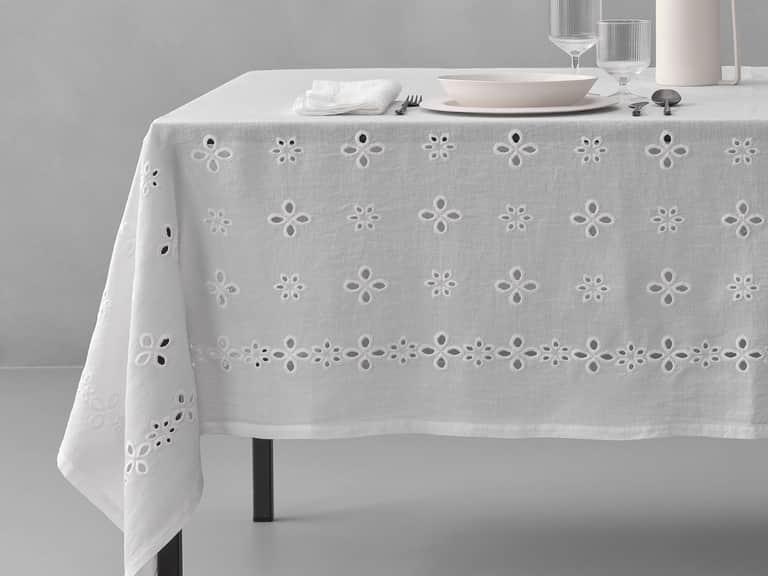
To illustrate how contemporary textiles can fuse heritage with modern design, consider the Fara Tablecloth. This 100% abaca gauze features a digital suzani-inspired print—lightweight, breathable, and textural. Designed by Society Limonta, it translates decorative memory into a contemporary table companion, offering visible texture and an airy feel that elevates everyday dining or special table moments. The natural fiber and airy gauze weave invite a tactile ritual—touch, unfold, and admire how pattern can communicate cultural memory without overwhelming the surface beneath tableware.
Material: abaca 100%
Finish: gauze
Dimensions: 180x260 cm
Care: Washing instructions
Price: 650.00
Visual note: The print reads as a contemporary take on suzani motifs, marrying craft storytelling with a breezy, modern table presence. The abaca gauze surface is tactile and light, inviting guests to lean in and notice the weave’s delicate rhythm.
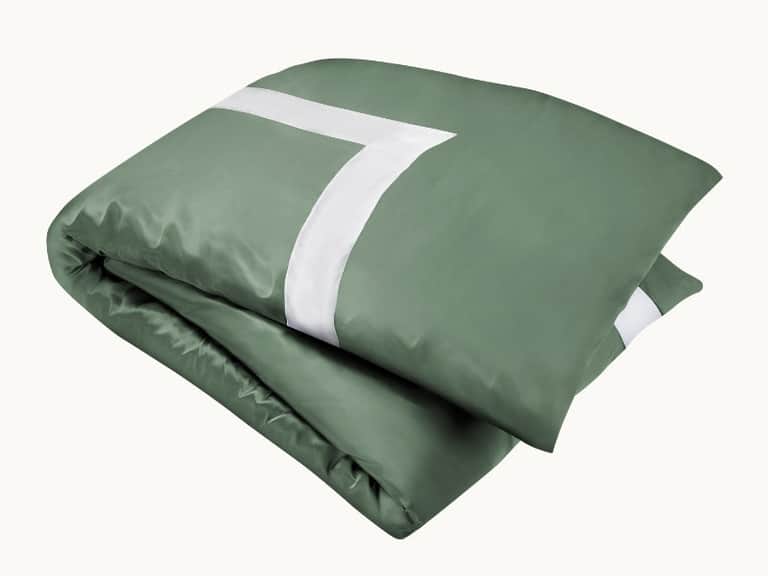
Beyond the tablecloth, contemporary silk-led pieces demonstrate how Friday-night glamour can coexist with everyday practicality. Consider the Ashdown Silk Duvet Cover, which pairs 100% mulberry silk with a modern inset white border. Its 19 momme weight delivers a drape that feels substantial yet breathable, a reminder that luxury and practicality aren’t mutually exclusive. Silk’s hypoallergenic properties also offer real health benefits for skin and hair, making it a meaningful choice for a sustainable, comfortable lifestyle.
Material: 100% mulberry silk
Weight: 19 momme
Finish: inset contract white border
Care: Machine wash delicate; air dry; cool iron
Material: 100% mulberry silk
Weight: 19 momme
Design: Fern Vine motif
Care: Delicate wash, air dry, cool iron
These examples demonstrate how luxury materials can be paired with thoughtful construction to create pieces that are both aesthetically pleasing and durable. The sustainability conversation extends to care practices—gentle washing, air drying, and mindful storage—ensuring longevity and reduced environmental impact.
To empower readers, a compact glossary and downloadable checklists would anchor the knowledge base. Terms like momme (a silk weight unit), gauze (fabric weave), and upcycling (creative reuse of materials) would be defined with clear, accessible explanations. Toolkits could include a lifecycle overview and a material-sourcing checklist to help designers and enthusiasts evaluate choices more consciously.
In the end, burlap and silk are more than textures. They are indicators of how we value craft, labor, and the future of our environments. A sustainable reference site built around this contrast can help readers cultivate a language for textiles, a curiosity for history, and a commitment to ethics—without sacrificing beauty. By centering credible research, time-honored craft, and contemporary design, burlapandsilk.com can become a trusted companion for designers, students, and curious readers who want their environments to reflect both elegance and responsibility.