Material Literacy in Sustainable Fashion and Interiors: A Practical Guide to Burlap, Silk, and Their Ethical Contexts
A thoughtful, editorial exploration of how natural fibers like burlap and silk shape sustainability decisions across fashion and interior design, grounded in property knowledge, lifecycle thinking, and ethical sourcing.
Published September 23, 2026
Why Burlap and Silk? The Thematic Contrast as a Lens on Material Choices
The domain burlapandsilk.com invites a duality. Burlap, that coarse, sturdy companion of sacks and agricultural storage, sits in deliberate contrast to silk, the lustrous emblem of luxury and refinement. The juxtaposition is not random; it is a deliberate storytelling device that helps designers, brands, and consumers talk about material literacy in a language that blends practicality with possibility. This piece uses that tension to frame a broader conversation: how do we choose fabrics not just for look and feel, but for impact—environmental, social, and economic?
Material literacy is the foundation of sustainable practice. It means understanding energy and water use in production, knowing the end-of-life options for textiles, and evaluating supplier transparency and certifications. It means asking questions like: How durable is burlap versus silk in real-world wear? Can burlap be reused in interior or fashion formats without becoming waste? What ethical commitments are associated with silk production, and how do lifecycle analyses compare across both fibers?
Life Cycle Thinking: What Happens from Seed to Suitcase to Sofa?
Lifecycle thinking is the backbone of responsible material selection. Burlap, typically derived from jute or other bast fibers, is frequently lauded for its low-cost production and biodegradability, though processing steps can entail significant water use and chemical inputs depending on the region. Silk, produced by Bombyx mori moths, is a protein fiber with exceptional tensile strength, a natural glow, and a unique set of care requirements. The life cycle for silk includes sericulture, silk worm rearing, cocoon processing, spinning, weaving, dyeing, finishing, and finally product use and end-of-life management. Comparing these pathways illuminates trade-offs: burlap’s durability and compostability versus silk’s premium performance and potential supply-chain complexities.
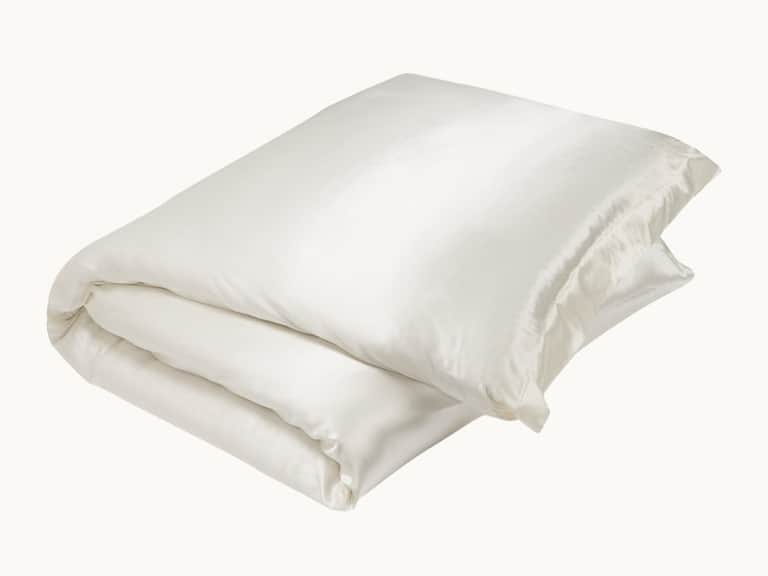
In interior design and fashion, lifecycle analysis (LCA) basics help quantify these trade-offs. For example, a burlap curtain might offer longevity and biodegradability with relatively modest energy input in some production contexts, while a silk duvet cover may contribute a high-end, durable surface that lasts years with proper care—yet requires careful consideration of dye chemistry and washing practices. The goal is not to declare one fiber universally better, but to understand context, performance needs, and responsible sourcing options.
Sourcing Ethically: Certifications, Transparency, and Fair Labor
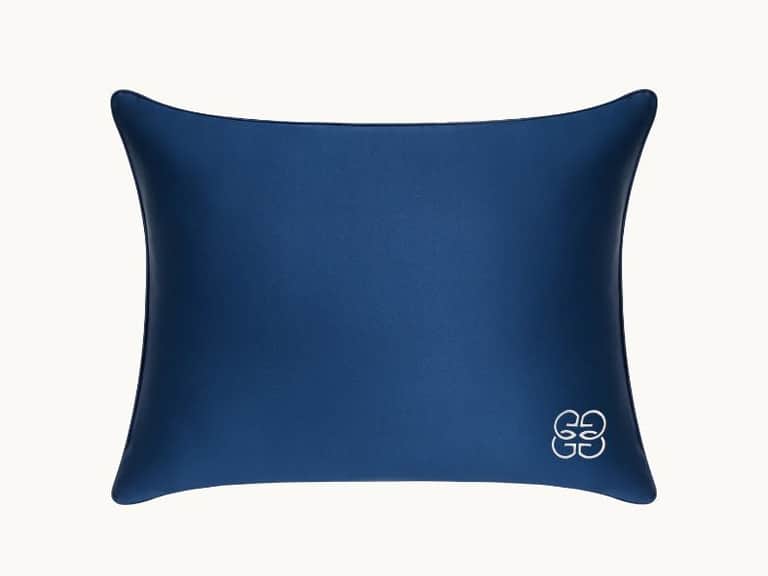
Ethical sourcing is more than a label on a product page; it’s a system of practices that span farm or forest, factory floor, and the logistics chain. Burlap and silk suppliers alike can be evaluated through measurable criteria: traceability (can you verify the origin of the raw material?), certifications (GOTS, Oeko-Tex, Fair Trade, RDS for responsible down, or other textile standards where relevant), and supplier transparency (can you access a supplier’s audit reports or a clear code of conduct?). Brands like Gingerlily, Sferra, and Sachi Organics demonstrate the spectrum—from luxury silk offerings with OEKO-TEX or similar certifications to upcycled or responsibly sourced burlap options. The emphasis here is not on marketing shine but on verifiable integrity.
This guide highlights practical steps for designers and consumers: request full material disclosures, demand third-party certifications, ask for supply chain maps, and evaluate social compliance and fair labor practices. When you pair these questions with a robust glossary and a knowledge base, Burlap and Silk becomes less about a single product and more about a disciplined approach to material literacy.
Three Time-Period Voices: Interpreting Materials Across Eras
- Cleopatra, Ancient Nile Delta Context: While not literally connected to burlap or silk, her era symbolizes the long arc of luxury fibers in dress and décor. Silk fittings and luxury textiles traveled along trade routes, creating cultural meaning around refinement and social status. The Cleopatra era reminds modern readers that materials are never only functional; they carry symbolism and power dynamics that shape taste, economies, and ritual life.
- Jane Goodall, Modern Environmental Ethic: A contemporary voice who reframes material choices in light of environmental stewardship and social justice. Goodall’s emphasis on ecological harmony informs today’s decision matrix: how do burlap and silk fit within sustainable fashion and interior design? Her legacy invites readers to connect biodiversity, animal welfare, and human livelihoods to every fiber we select.
- Ainara, Contemporary Textile Designer-educator: A synthetic-dyed-in-the-wool advocate for material literacy in design education. Ainara represents today’s cross-disciplinary approach—combining craft, science, and ethics. Her work demonstrates how a burlap-and-silk lens can educate a generation of students and professionals to weigh durability, care, and lifecycle impact while embracing tactile beauty.
A Practical Guide to Reading Materials: Burlap, Silk, and the Ethics of Use
A practical framework helps designers and consumers translate theory into action. Consider the following steps when evaluating burlap and silk for a project or purchase:
- Define the performance need: durability, texture, sheen, temperature regulation, or moisture wicking.
- Assess environmental impact: energy and water use in production, dye chemistry, and end-of-life options such as composting, recycling, or reuse.
- Evaluate social criteria: supplier transparency, fair labor practices, and community impact of the supply chain.
- Plan for longevity: design for repairability, ease of cleaning, and compatibility with seasonal styling to extend product life.
- Close the loop: explore upcycling opportunities or responsible disposal strategies that minimize landfill waste.
In this Knowledge Base, you’ll find core content sections such as Materials 101, Sustainability, History, Case Studies, and Glossaries—each designed to support ongoing education and practical decision-making.
Spotlight Product: Windsor Silk Coverlet - Charcoal
The Windsor Silk Coverlet in Charcoal is a refined top layer that marries a 100% silk upper with a silk-cotton reverse and a polyester filling. The quilted stitching yields a tidy, even loft that complements silk plain-dye collections. Charcoal offers a neutral tone that anchors a wide range of bedding palettes, making it a thoughtful purchase for those seeking luxury without loud colorways.
Care is simple, though it is advised to Dry clean only to preserve the silk’s luster and the integrity of the quilted construction. This piece embodies the core ethos of burlapandsilk: a careful balance of rough-hewn texture and soft, luxurious quality—the rough meets refined in a single, wearable artifact.
Price: $1050.00
Main image: Windsor_Charcoal.jpg (from Gingerlily line)
Glossary and Quick Read: Key Terms for Material Literacy
Glossary essentials help readers decode textile terminology and sustainability signals. Terms include:
- Momme: a unit of silk weight indicating fabric density and quality; higher momme often relates to stronger, more lustrous silk.
- OEKO-TEX Standard 100: a globally recognized certification for textile safety testing.
- RDS: Responsible Down Standard, an example of a labor and animal-welfare standard often cited in textile certifications (while not silk or burlap-specific, it illustrates how related fiber standards operate).
- Lifecycle Analysis (LCA): a method to assess environmental aspects associated with all stages of a product’s life from cradle to grave.
Editorial Notes: How to Use This Article
This feature invites readers to think critically about material choices. It is designed to be a living document that grows with new sourcing data, case studies, and design experiments. Readers are encouraged to share feedback, questions, and sourcing experiences in the comments or via editorial submissions. The aim is to foster a community of informed practitioners who can responsibly blend rough textures with refined finishes to create spaces and wardrobes that are durable, beautiful, and ethically considered.
Next Steps: A Starter Content Plan
If you’d like, we can draft a starter content plan featuring 10–12 article ideas, a basic site map, and a concise content brief for your first post. These pieces can anchor Direction C—Sustainable Fashion and Interior Design Reference—and establish Burlap and Silk as a trusted authority in material literacy for a broad audience.
Community and Engagement
Readers are invited to engage with thoughtful questions: How do you weigh lifecycle impact when choosing silk for a luxury interior piece? Can burlap be refined enough to appear in high-end fashion without compromising sustainability? What certifications matter most to you, and how do you verify supplier claims?
Join the conversation and help shape a practical guide that grows with the community.